Chest pain is a common complaint in India, often dismissed as “gas” or acidity due to spicy diets and stressful lifestyles. However, with heart disease being the leading cause of death—claiming over 1.8 million lives annually—and Indians experiencing heart attacks 5-10 years earlier than other populations, mistaking cardiac pain for digestive issues can be fatal. The Cardiological Society of India (CSI) and experts from hospitals like Apollo and Fortis emphasize that any new or severe chest pain warrants caution. This guide, based on guidelines from CSI, American Heart Association (AHA), Mayo Clinic (USA), and NHS (UK), helps differentiate causes and know when to seek urgent care. Services like cardiology consultations, ECG, and emergency care at multispecialty hospitals can provide quick diagnosis.

Common Causes of Chest Pain in India
In India, chest pain is frequently linked to digestive issues like acidity (GERD) or gas, exacerbated by oily, spicy foods and irregular meals. However, cardiovascular causes are rising due to diabetes, hypertension, smoking, and sedentary habits.
- Gas/Acidity Pain: Often burning or sharp, triggered by meals, worsens when lying down, relieved by antacids or belching.
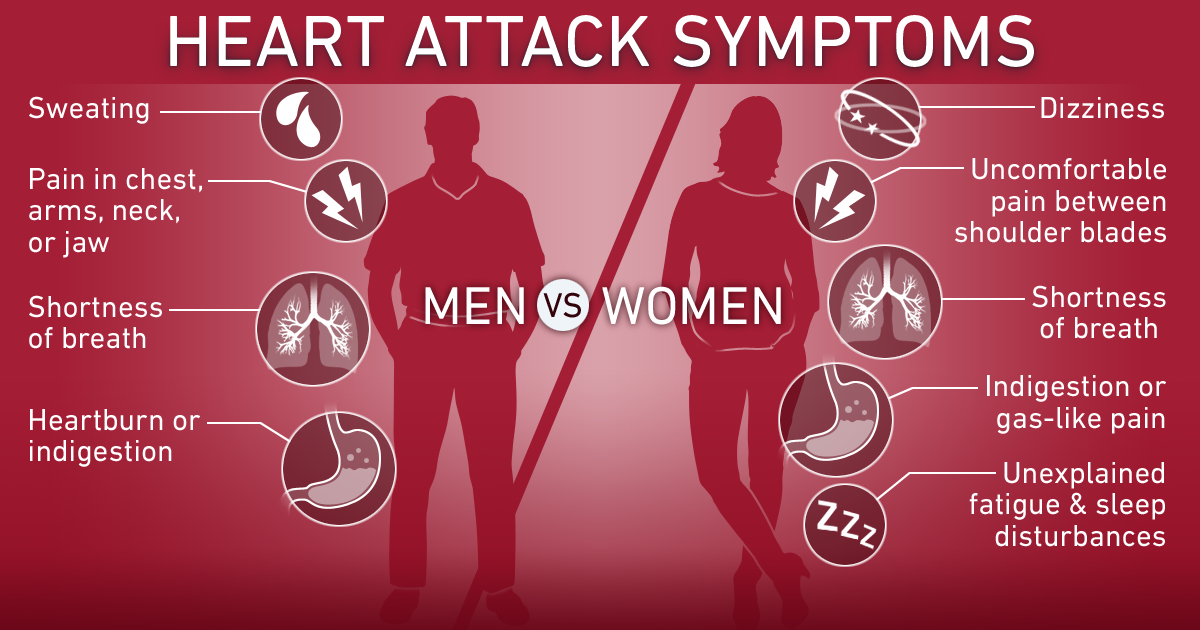
- Heart-Related Pain (Angina or Heart Attack): Pressure-like, squeezing, or heaviness, often during exertion, with sweating or nausea.
Studies from North India show many delay care by self-medicating for “gas,” leading to worse outcomes.

Key Differences: Gas/Acidity vs. Heart Problem
| Aspect | Gas/Acidity Pain | Heart-Related Pain (Angina/Attack) |
|---|---|---|
| Nature of Pain | Burning, sharp, cramping; shifts location | Heavy pressure, squeezing, tightness; constant |
| Location | Upper abdomen to lower chest; may move to back | Center/left chest; radiates to arm, jaw, neck, back |
| Triggers | After eating spicy/heavy food, lying down | Exertion, stress, cold; may occur at rest |
| Duration | Comes and goes; relieves with antacids | Lasts >5-10 minutes; doesn’t fully relieve |
| Associated Symptoms | Bloating, belching, sour taste, nausea | Sweating, shortness of breath, nausea, dizziness, anxiety |
| Relief | Antacids, position change, passing gas | Rest/nitroglycerin (if prescribed); no quick relief from antacids |
If pain is severe, sudden, or with sweating/breathlessness, treat as cardiac until proven otherwise—per AHA and CSI guidelines.
When to Seek Urgent Medical Help
CSI and AHA recommend: Call 108 or rush to the nearest hospital if:
- Pain is crushing/heavy and lasts >5 minutes
- Accompanied by sweating, nausea, breathlessness, or arm/jaw pain
- Occurs with exertion or at rest (especially if you have diabetes/hypertension)
- Doesn’t improve with antacids or rest
In India, the “golden hour” is critical—early treatment saves lives. Hospitals like Apollo, Fortis, and Max offer 24/7 cardiac emergency services with ECG, troponin tests, and angiograms.
For non-urgent pain recurring after meals, consult a gastroenterologist or GP; for risk factors, see a cardiologist for screening.
Prevention Tips for Indians
Manage risks with balanced diet (less oily/spicy), regular exercise, stress control, and routine checkups—especially if over 40 or with family history.
Disclaimer: This is general information based on CSI, AHA, Mayo Clinic, and NHS guidelines. It is not medical advice. If in doubt about chest pain, seek immediate professional help from a cardiologist or emergency services.